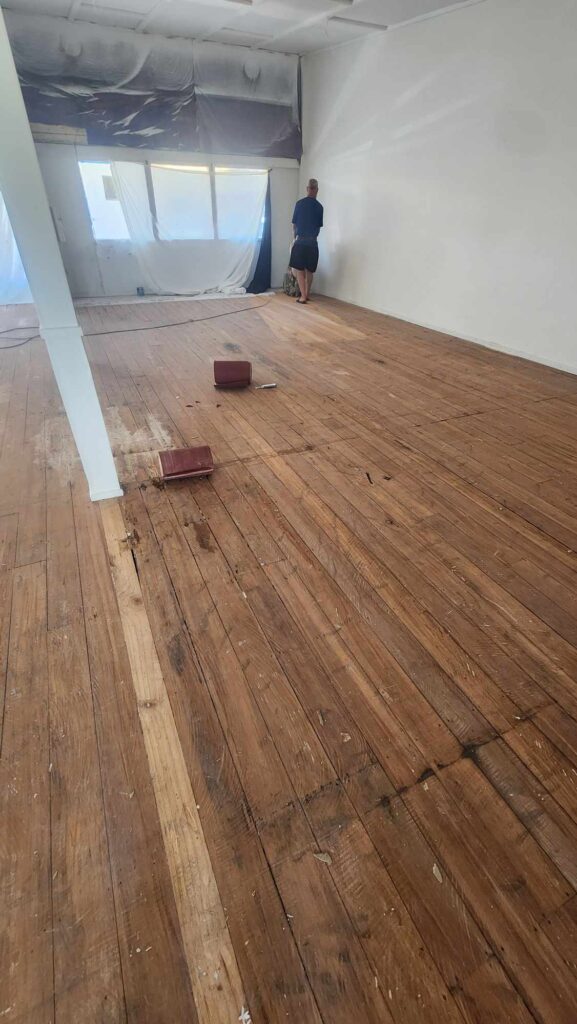
As a homeowner, it’s essential to know when your floors need sanding to maintain their beauty and longevity. In this guide, we’ll explore the telltale signs that indicate it’s time for sanding. From visible wear and tear to uneven surfaces, we’ll cover everything you need to know to make an informed decision about sanding your floors.
Wear and Damage
Let’s identify signs your floors need sanding. These cues reveal potential issues. Look for:
Scratches and Gouges: Are there noticeable scratches or deep gouges? These can degrade the appearance of your floors and may require sanding to smooth out.
Faded or Worn Finish: Has the finish on your floors lost its shine? Over time, foot traffic and exposure to sunlight can wear down the protective finish, leaving your floors looking dull and worn.
Uneven Surfaces: Run your hand across the surface of your floors. Do you feel any rough patches or unevenness? Uneven surfaces can be a sign of wear or damage that may require sanding to restore smoothness.
Cupping or Warping: Check for any signs of cupping or warping, where the edges of the floorboards lift or buckle. This can be caused by moisture issues and may sanding to level the surface.
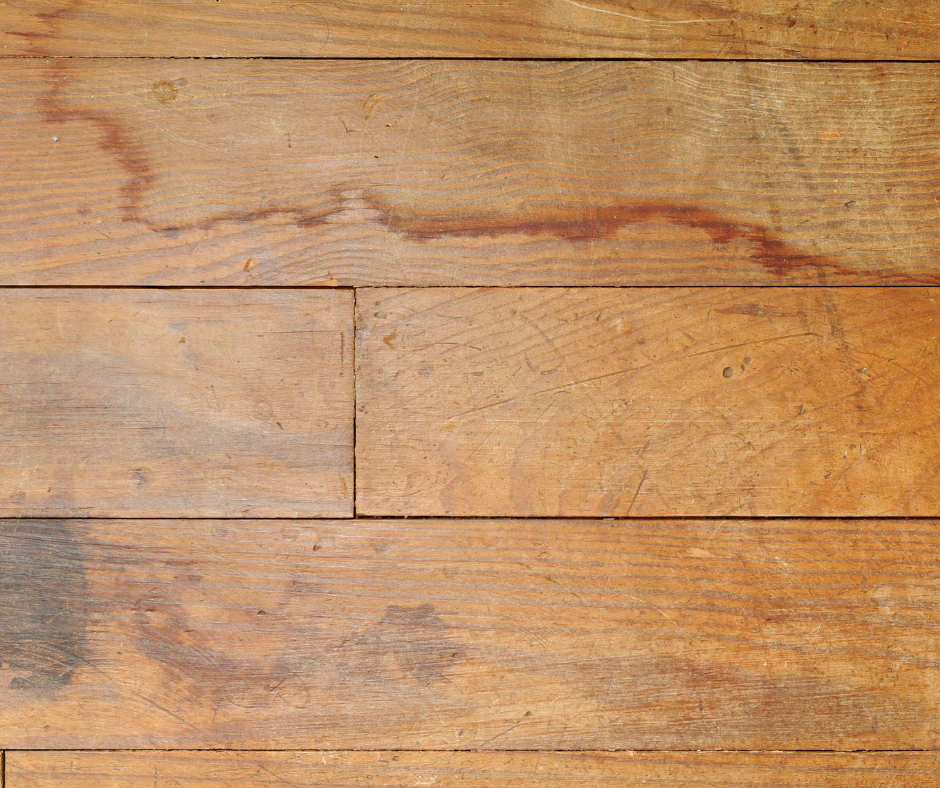
Stains and Discoloration: Stubborn stains or discoloration that resist regular cleaning efforts may require sanding to remove completely.
Floor Smoothness and Levelness
Smooth, level floors look great and ensure safety and comfort. Here’s how to check if your floors need sanding:
Run Your Hand Across the Surface: Begin by feeling the floor’s surface. Notice any rough patches or bumps? These flaws can affect both appearance and function.
Visible Imperfections: Next, inspect the floors for any visible imperfections. This includes uneven wear patterns, dips or depressions, and areas where the finish has worn away. These signs may indicate that sanding is needed to restore the smoothness and levelness of the floors.
High or Low Spots: Use a straight edge or level to check for high or low spots on the floor surface. High spots can create unevenness, while low spots may indicate areas where the floor has worn down over time.
Floor Transitions: Pay attention to transitions between rooms or different types of flooring. Uneven transitions can be a sign of underlying issues that may require sanding to correct.
Safety and Comfort: Think about how the condition of your floors impacts safety and comfort. Uneven surfaces can pose tripping hazards and make it difficult to move furniture or walk comfortably.
Ready to restore your floors? Request a free quote from our team today.
Finish Wear and Tear
Check your floor’s finish to protect the wood and keep it looking good. Here’s how to spot signs of wear and tear to decide if sanding is needed.
Dullness: Start by checking your floors for dullness. If they lack shine, the finish might be worn down, leaving the wood at risk of damage.
Flaking or Peeling: Examine the floors for any signs of flaking or peeling in the finish. Flakes or chips in the finish can expose the underlying wood, leading to further deterioration if left untreated.
Discoloration: Discoloration in the finish, like dark spots or patches, could indicate water damage or other issues. Spotting these areas can help decide if sanding is necessary to fix the damage.
Traffic Patterns: Pay attention to high-traffic areas where the finish may show signs of wear more quickly. Look for areas where the finish has become noticeably thinner or has worn away completely.
Overall Condition: Take stock of the overall condition of the finish on your floors. If you notice widespread wear and tear or significant damage, sanding may be necessary to restore the finish and protect the wood.
Wood Color and Grain
Wooden floors are valued for their natural beauty, which includes rich color and unique grain patterns. You can assess the color and grain of your floors to decide if sanding is necessary to bring back their original shine and vibrancy.
Fading: Start by checking the color of your wooden floors, focusing on any faded or discolored areas. Sunlight exposure can fade the natural color of the wood, leading to uneven tones on the floor.
Grain Visibility: Then, look at the wood grain patterns. Dirt, grime, or old finish buildup can hide the natural grain, making it less appealing. Check for areas where the grain is less visible or looks dull compared to other parts.
Look for Stains: Look for stains on the wood floors. Spills, pet accidents, or water damage can cause staining. Check for areas where the wood looks stained or discolored, which might mean there’s damage underneath that needs sanding.
Wear Patterns: Check the floor for wear patterns, especially in busy spots with lots of foot traffic. These patterns might show where the finish has worn off, revealing the wood underneath and affecting how it looks.
Overall Appearance: Take a step back and look at the floor as a whole. If you see big differences in color, obscured grain, or staining all over, sanding might be needed to bring back the wood’s natural look and consistency.
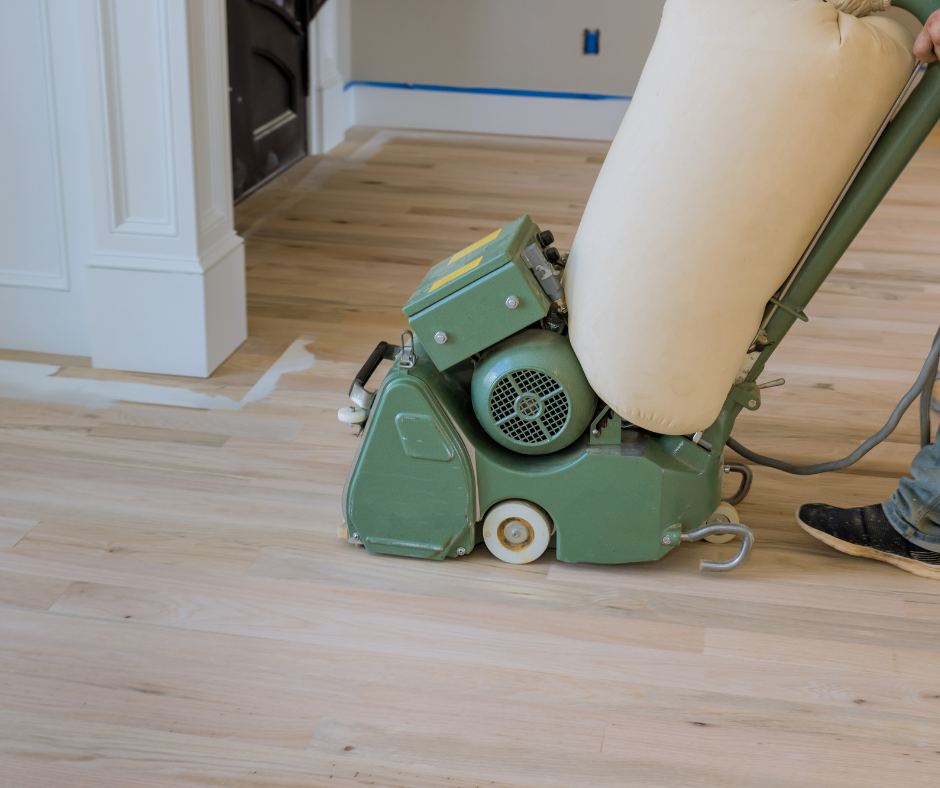
Let Done Right Flooring evaluate your floors to see if sanding is the right solution for you.
Conclusion
Check your wooden floors for wear, damage, and finish issues to see if sanding is necessary. By looking closely at these factors, you can decide if sanding will help your floors look better and last longer. If you’re not sure, ask a professional for advice. With the right care, your wooden floors can stay beautiful for years.
Feel free to reach out to us at Done Right Floor Sanding for professional advice and assistance with your flooring needs.