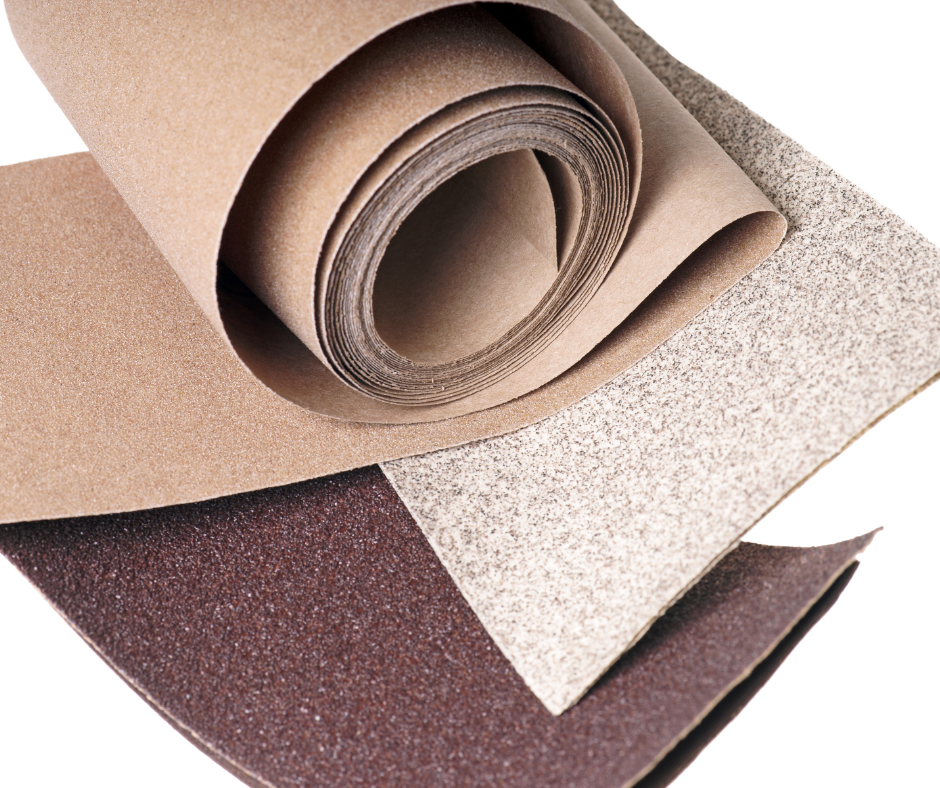
As a professional from Done Right Flooring, I’m here to guide you through the process of sanding wooden floors. Choosing the right sandpaper grit is important for optimal results. Whether you’re refinishing old floors or tackling a DIY project, understanding sandpaper grits is essential. Let’s explore how to select the right grit for your needs.
Sandpaper Grits
Sandpaper grits are important for achieving a smooth and polished surface when sanding wooden floors. Before selecting sandpaper, it’s vital to understand what grits are and how they impact the outcome of sanding.
Sandpaper comes in various grit sizes, from coarse to fine. The grit number indicates the coarseness or fineness of the abrasive particles on the sandpaper surface. Lower grit numbers, like 24 or 36, are coarse with larger abrasive particles, while higher numbers, such as 120 or 220, are finer with smaller abrasive particles.
When sanding wooden floors, it’s typical to use a series of grits to achieve the desired smoothness and finish level. Starting with a coarse grit removes imperfections, old finishes, and deep scratches, then transitioning to finer grits refines the surface and removes remaining scratches or marks.
Coarse Grits
Usually in the range of 24 to 60 grit, are best for initial sanding stages where aggressive material removal is needed. They strip away old finishes, paint, or stubborn blemishes, leveling the surface for further refinement.
Medium Grits
Ranging from 80 to 120 grit, are used during smoothing and intermediate sanding stages. They refine the surface texture, removing scratches left by coarse grits and preparing the wood for finer sanding.
Fine Grits
Lastly, fine grits, typically from 150 to 220 grit, are for finishing touches and achieving a polished surface. Fine-grit sandpaper leaves a smooth, uniform finish, free of visible scratches or imperfections, ready for staining, sealing, or applying a protective finish.
Coarse Grits Sanding
Starting a floor sanding project, especially on wooden floors with imperfections or existing finishes, requires beginning with coarse-grit sandpaper. Coarse grits, typically from 24 to 60 grit, are designed for aggressive material removal and surface leveling.
Coarse grit sandpaper’s primary purpose during initial sanding stages is to address significant imperfections and remove stubborn finishes or coatings efficiently. Featuring large abrasive particles, coarse grits effectively strip away layers of old finishes, paint, or deep scratches, revealing the bare wood beneath.
During the initial sanding phase, coarse grit sandpaper tackles tough surface irregularities and imperfections like dents, gouges, or uneven patches. By aggressively removing material, coarse grits level the surface, creating a uniform and smooth base for subsequent sanding stages.
Coarse grit sandpaper is particularly effective at addressing deep scratches or blemishes on hardwood floors caused by heavy foot traffic or furniture movement. These imperfections require the abrasive power of coarse grits to be properly smoothed out and leveled.
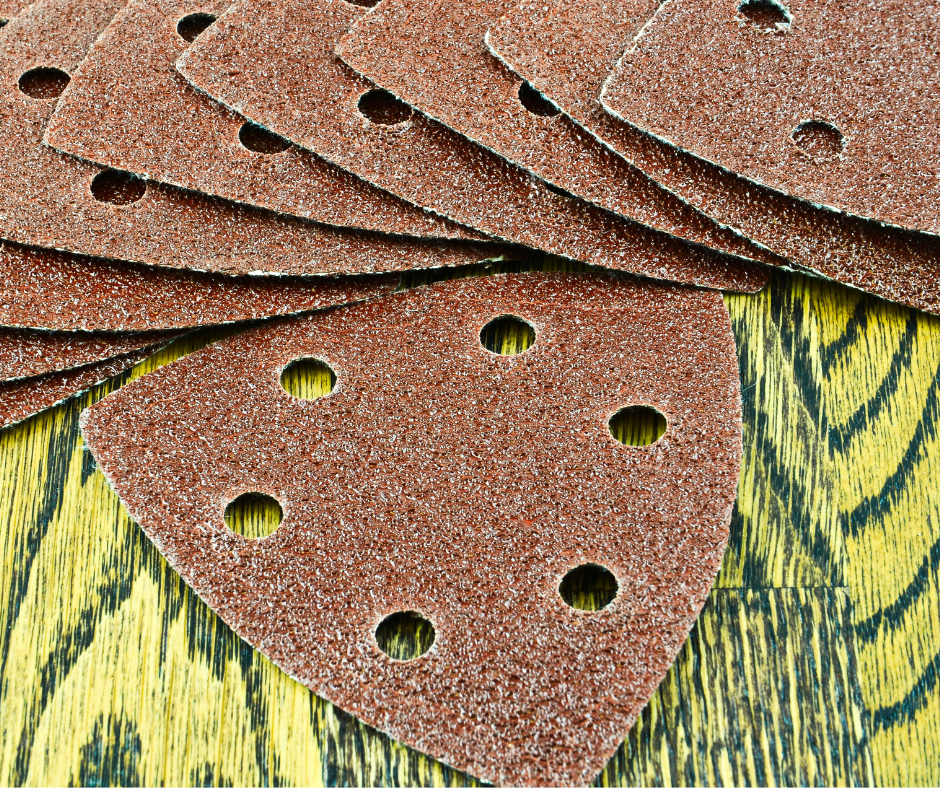
Ready to start sanding? Get a free quote today!
Medium Grits For Smoothing
After addressing major imperfections and leveling the surface with coarse-grit sandpaper, the next step in the floor sanding process involves transitioning to medium-grit sandpaper. Medium grits, generally ranging from 80 to 120 grit, refine the surface and smooth out the scratch pattern left by coarse grits.
Medium grit sandpaper’s primary objective is to further enhance surface smoothness and prepare the wood for the final sanding stages. Unlike coarse grits, which focus on aggressive material removal, medium grits refine the surface texture and create a more uniform scratch pattern.
Medium grit sandpaper removes any remaining coarse sanding marks, scratches, or uneven patches left by the initial sanding stages. By smoothing out the surface, medium grits eliminate roughness and inconsistencies, resulting in a more even appearance across the entire floor.
During the medium-grit sanding phase, maintaining a consistent sanding technique and paying close attention to detail are essential. Carefully sanding the entire surface area, including edges and corners, ensures that the floor is thoroughly smoothed and ready for the final sanding stages.
Fine Grits For Finishing Touches
As you near the final stages of the floor sanding process, it’s time to transition to fine-grit sandpaper for those important finishing touches. Fine grits, typically ranging from 150 to 220 grit, achieve a smooth, uniform surface free of visible scratches and imperfections.
Fine-grit sandpaper’s primary objective is to refine the surface further and prepare the wood for staining, sealing, or applying a protective finish. Unlike coarse and medium grits, which focus on material removal and leveling, fine grits create a polished, refined surface ready for finishing.
Fine grit sandpaper removes any remaining fine scratches, swirl marks, or minor imperfections left by previous sanding stages. Smoothing out the surface and eliminating visible blemishes, fine grits improve the wood’s natural beauty, improving the floor’s overall appearance.
During the final sanding stage with fine grit sandpaper, caution and a light touch are crucial to avoid over-sanding or creating uneven spots. Sanding the entire surface uniformly, including edges and corners, ensures consistent results across the entire floor.
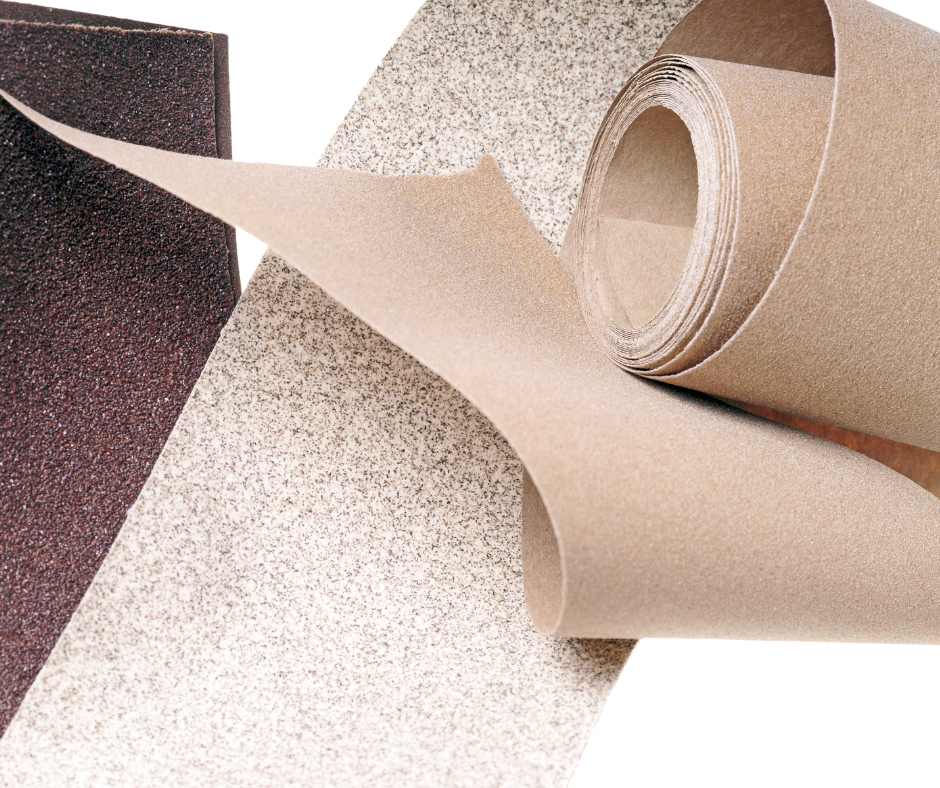
Get your floors looking brand new! Contact us for a sanding quote.
Sandpaper Selection Tips
Assess the Wood Condition: Before choosing sandpaper grits, check the wood surface’s condition. If there are major imperfections like old finishes or deep scratches, begin with coarse-grit sandpaper to tackle them effectively.
Determine the Desired Finish: Think about the finish you want for your wooden floor. Various sandpaper grits create different levels of smoothness and texture. For a smoother finish, move from coarse to fine grits gradually, refining the surface with each sanding stage.
Choose Grits Based on Equipment: Consider your sanding equipment’s capabilities when choosing sandpaper grits. Certain floor sanders work better with particular grit sizes or need specific sequences for grit progression. Check the manufacturer’s recommendations or seek advice from flooring professionals for guidance.
Start Coarse, Finish Fine: Start sanding with a coarser grit to remove initial imperfections and gradually switch to finer grits for smoothing and refining the surface. This method ensures efficient material removal and prevents over-sanding or unnecessary damage to the wood.
Test on a Small Area: Test different sandpaper grits on a small, inconspicuous area before sanding the entire floor to assess their effectiveness and the desired outcome. This helps you make any necessary adjustments and ensures consistency across the entire floor surface.
When starting a floor sanding project, picking the right sandpaper is key for best results. Here are some tips to help you choose the perfect one:
Conclusion
Choosing the right sandpaper grits is important for your floor sanding project’s success. Understanding coarse, medium, and fine grits helps you address imperfections, smooth the surface, and achieve the desired finish on your wooden floors.
Assess the wood condition, consider your desired outcome, and match your sandpaper selection to your sanding equipment’s capabilities. With careful planning and proper sandpaper selection, you can confidently embark on your floor sanding journey, aiming for professional-quality results.