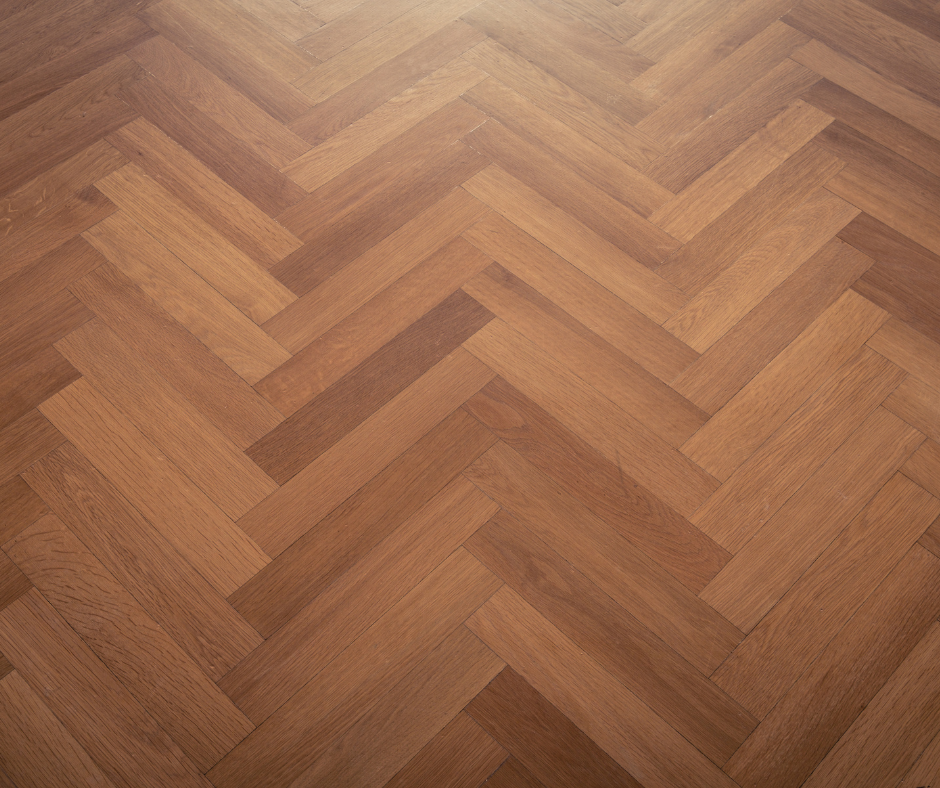
Welcome to our guide on parquet flooring! If you’re thinking about upgrading your floors, you might want to consider parquet flooring. It’s been a popular choice for ages because of its classy look and sturdy build. In this guide, we’ll tell you all about parquet flooring, from its history to how it’s installed and cared for. Whether you’re into classic or modern styles, parquet flooring might be just what you need to spruce up your space. Let’s take a look and explore why people love it so much!
Parquet Flooring
Parquet flooring has a rich history dating back centuries, originating from Europe’s grand palaces and estates. What sets parquet apart is its distinct geometric patterns, created by arranging small wood pieces in intricate designs. Unlike traditional hardwood floors, which use long planks, parquet features smaller wood blocks or tiles.
These blocks are often made from various wood species, adding depth and character to the flooring. Common wood types used in parquet include oak, maple, walnut, and cherry, each offering unique grain patterns and colors.
One of the defining characteristics of parquet flooring is its durability. The interlocking pattern of the wood blocks creates a sturdy surface that can withstand heavy foot traffic and daily wear and tear. Additionally, the dense nature of parquet blocks makes them less prone to scratching and denting compared to traditional hardwood floors.
Parquet flooring also stands out for its versatility. Its intricate patterns and customisable designs allow homeowners to create unique looks that complement any interior style, from classic to contemporary. Whether you prefer a traditional herringbone pattern or a modern geometric design, parquet offers endless possibilities for customisation.
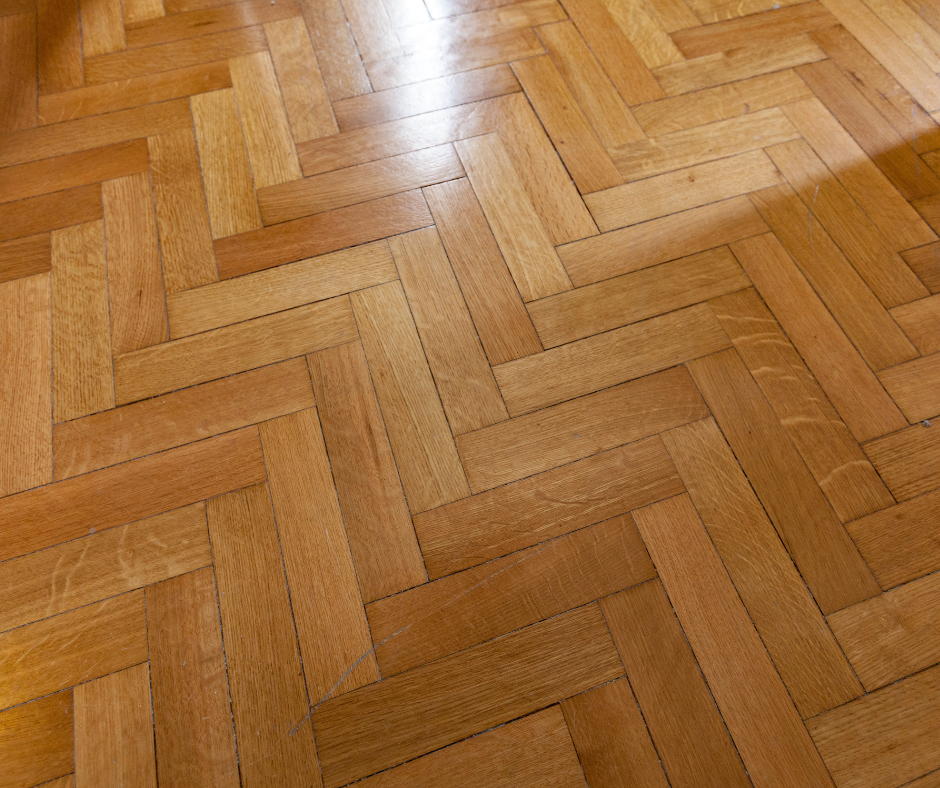
Time to sand and refresh your parquet floors? Contact Done Right Flooring for a free quote!
History and Evolution
Parquet flooring has a rich history dating back to 16th-century France. It began as intricate wood mosaics in grand palaces and quickly became popular across Europe.
It evolved over time with various patterns and designs influenced by artistic styles and architectural trends. From classic herringbone to elaborate geometric motifs, parquet became synonymous with elegance.
During the Renaissance, it adorned royal residences with craftsmen carefully crafting each wood block by hand. In the 20th century, it saw a resurgence with new manufacturing techniques and wood species.
Today, parquet flooring remains popular, offering classic style. Whether in historic landmarks or modern homes, it symbolises sophistication and refined taste, preserving its legacy as a design classic.
Installation Process
Installing parquet flooring is a careful process that demands attention to detail and precision to achieve flawless results. Here’s a step-by-step guide to the installation process:
- Subfloor Preparation: Get the subfloor ready for the parquet flooring. Clear out old flooring and make sure the subfloor is clean and dry. Fix any bumps or rough spots to avoid problems during installation.
- Layout Planning: Plan out how to lay the parquet tiles or panels. Think about the room size, wood grain direction, and the design you want. Test-fit the tiles or panels to check alignment and spacing.
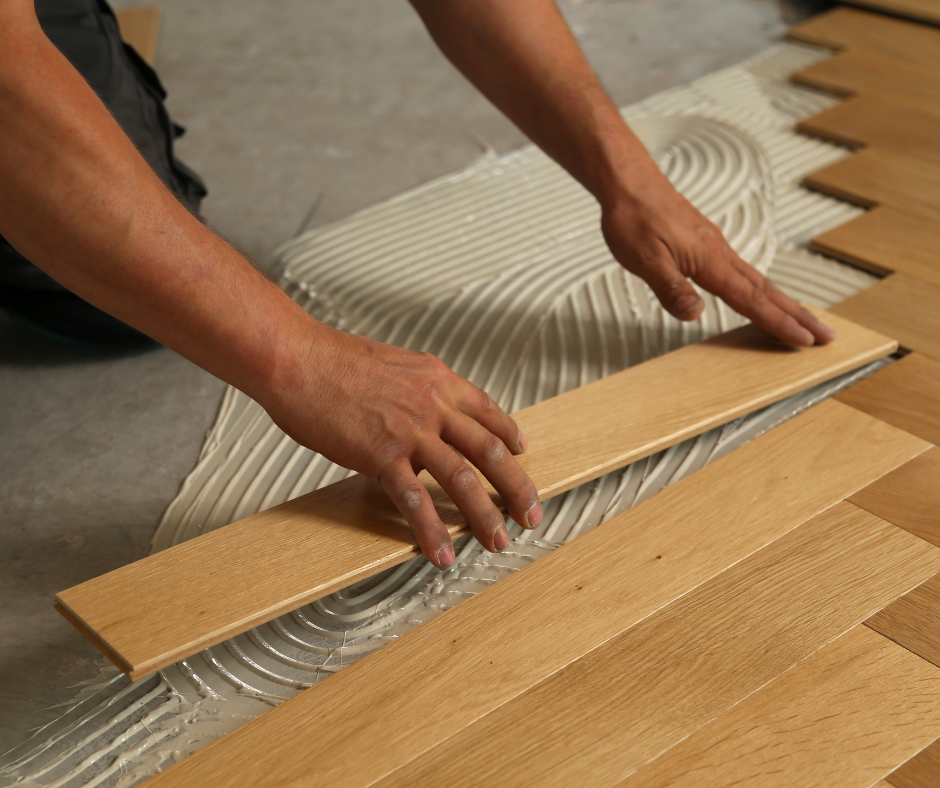
- Adhesive Application (Glue-down Method): For the glue-down method, spread adhesive on the subfloor evenly with a trowel. Work in small areas to avoid the adhesive drying fast. Press the parquet tiles or panels firmly into the adhesive to bond them securely.
- Installation (Floating Method): For the floating installation, place an underlayment over the subfloor for cushioning and moisture protection. Connect the tongue-and-groove edges of the parquet tiles or panels, starting from one corner and moving across. Use spacers to keep the tiles or panels evenly spaced.
- Finishing Touches: After installing the parquet flooring, clean the surface to remove excess adhesive for a smooth finish. Put transition strips or moldings around the room’s edges to cover expansion gaps and achieve a neat appearance. Let the adhesive cure or the flooring adjust, depending on the installation method.
Ready to refresh your parquet floors? Get a quote from Done Right Flooring today!
Maintenance and Care
To keep your parquet flooring looking its best, regular care is key. Here are some essential maintenance tips:
- Routine Cleaning: Clean your parquet floors often to prevent scratches and wear. Use a soft brush or microfiber mop, avoiding harsh materials.
- Avoid Water Exposure: Clean spills quickly with a damp cloth. Avoid wet mopping to prevent damage. Use a metholated spirits mix with warm water for cleaning.
- Protective Measures: Use felt pads or furniture coasters under heavy legs. Add rugs or mats in high-traffic spots. Keep pets’ nails trimmed to prevent scratches.
- Regular Maintenance:
- Check your floors for wear or damage. Spot-treat stains or scratches as needed. Consider professional maintenance for a fresh look.
- Humidity Control: Keep humidity levels stable to prevent wood damage. Use a humidifier in dry months. Consider a dehumidifier in humid areas.
Conclusion
Parquet flooring adds timeless elegance to your space. Its rich history and lasting strength make it a luxurious choice globally. Knowing its roots, installation, and upkeep is key for homeowners. Parquet suits various styles, promising enduring beauty with the right care.