Are you considering installing new flooring in your home or business? One of the most common questions we receive is, “How long will it take?” In this guide, we’ll provide insights from our Done Right Flooring professionals to help you understand the factors that influence the installation timeline for new flooring projects. From preparation and installation to finishing touches, we’ll break down the process and provide realistic expectations for your flooring project timeline.
Installation Process
The flooring installation process is crucial. Breaking it into steps helps manage expectations and timeframes.
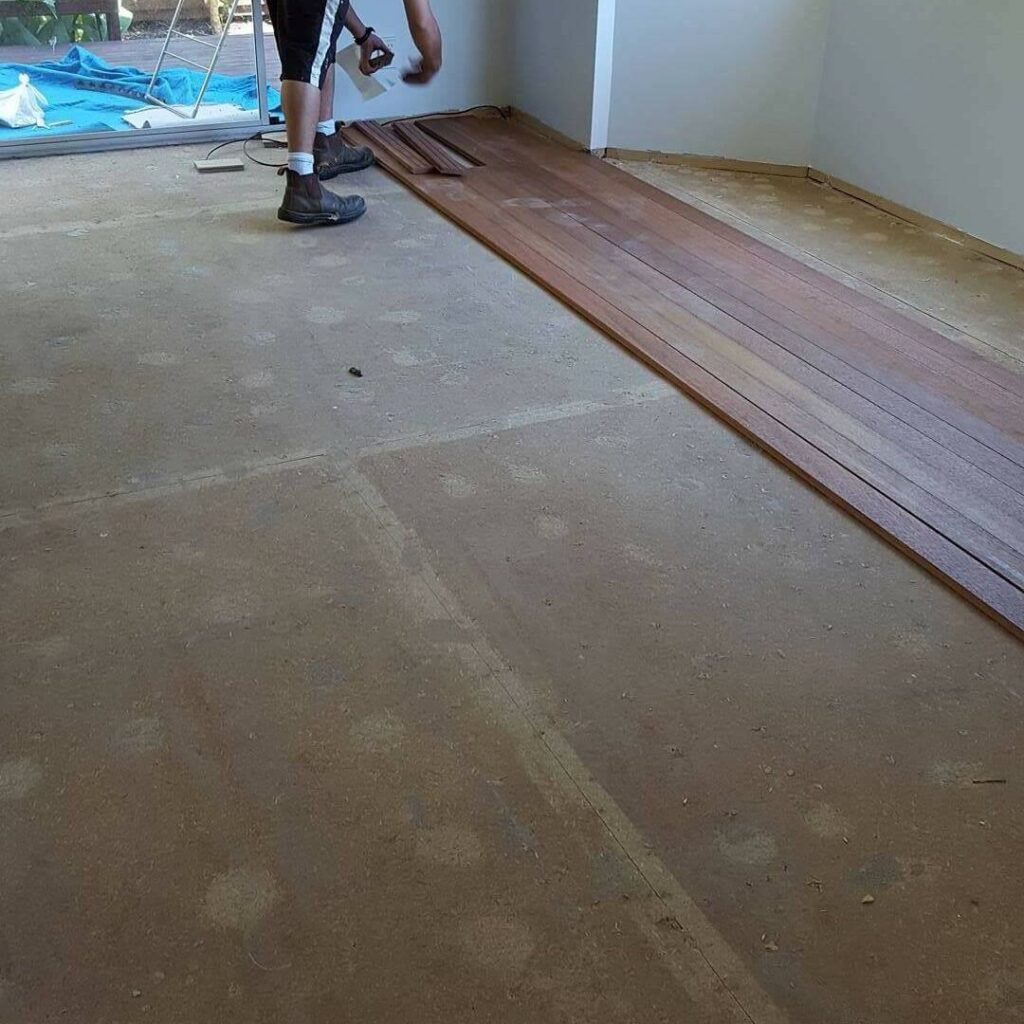
1. Preparation: The first step in any flooring installation project is preparation. This involves clearing out the space and removing any existing flooring materials. Depending on the type of flooring being installed, additional preparations such as leveling the subfloor or applying moisture barriers may be necessary.
2. Subfloor Check: Once the space is cleared and prepped, the next step is to assess the subfloor. This involves checking for any damage or irregularities that may need to be addressed before installing the new flooring. It’s important to ensure that the subfloor is clean, level, and free of any debris or moisture issues to prevent future problems.
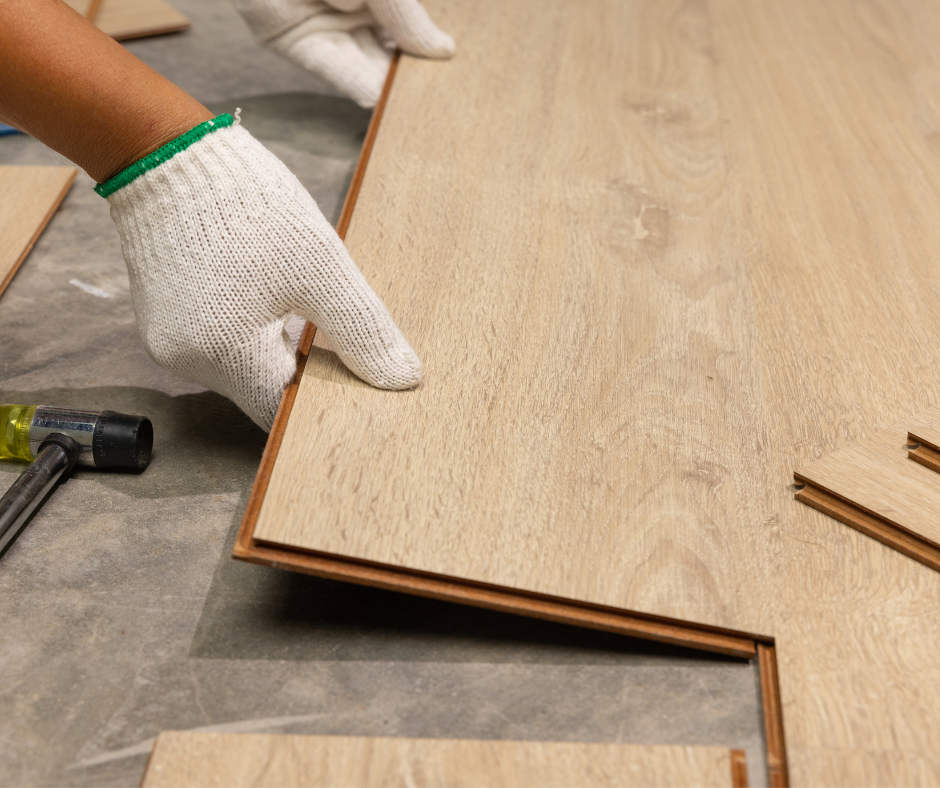
3. Installation: With the subfloor prepared, it’s time to begin the installation process. The specific steps involved will vary depending on the type of flooring material being installed. For example, wooden flooring may require nailing or stapling down individual planks, while laminate or vinyl flooring may utilise click-and-lock or adhesive methods.
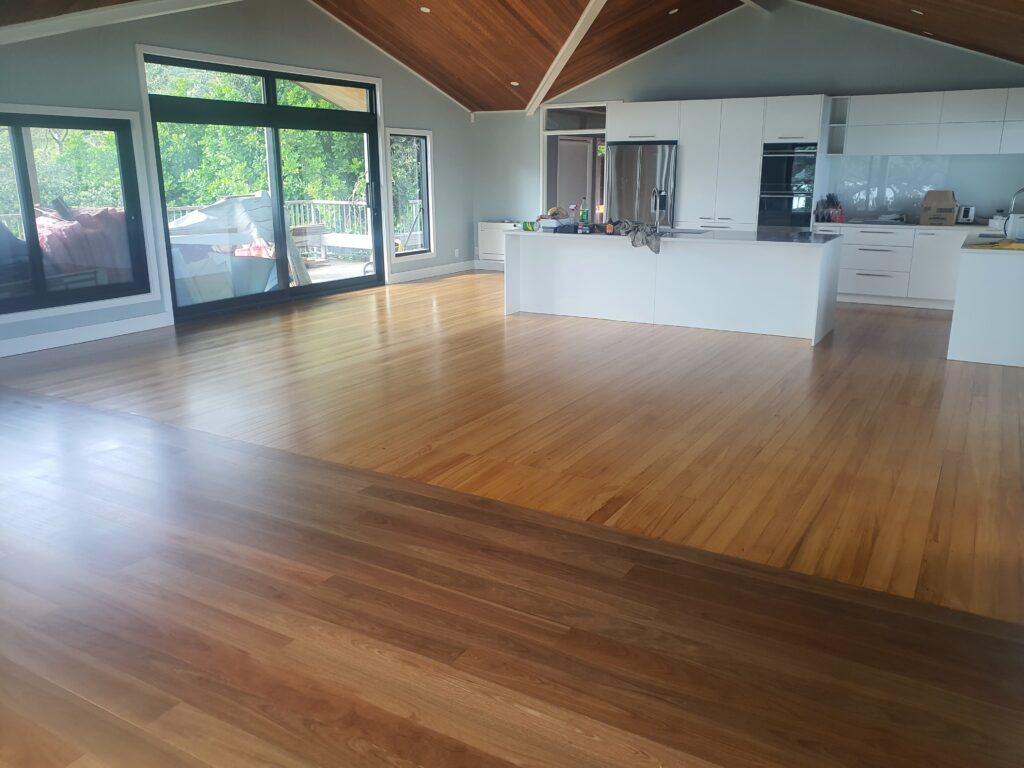
4. Finishing Touches: Once the flooring is installed, attention turns to the finishing touches. This may include trimming and molding to cover gaps along the edges of the room, as well as applying any necessary sealants or finishes to protect the flooring and improve its appearance.
5. Clean-Up: Finally, the installation area is cleaned up, and any debris or leftover materials are removed from the space. This ensures that the newly installed flooring looks its best and is ready for immediate use.
Call now to speak with one of our professionals and get started on your new floors!
Installation Time Factors
The time it takes to install new flooring can vary depending on several factors. Let’s explore some key factors that can influence the overall installation time:
1. Types of Flooring: Different types of flooring materials require varying installation methods and may have different complexities associated with them. For example, wooden flooring typically takes longer to install compared to laminate or vinyl flooring due to the need for precise measurements and individual plank placement.
2. Size and Layout: The size and layout of the space being floored can significantly impact installation time. Larger rooms or areas with complex layouts may take longer to install as more materials need to be cut and fitted. Additionally, rooms with irregular shapes or obstructions such as columns or nooks and crannys may require additional time for customisation.
3. Subfloor Conditions: The condition of the existing subfloor can affect installation time. Unevenness or repairs may require extra time to level the surface. Subfloors with moisture or structural concerns may need additional precautions and preparations.
4. Additional Preparations or Modifications: Depending on flooring material needs and installation conditions, extra preparations may be required. This might involve adding moisture barriers, underlayment, or soundproofing materials. Such steps can extend installation time.
5. Accessibility and Availability of Materials: Delays in material delivery or the need to transport materials to upper floors or tight spaces may prolong the installation process.
Types of Flooring and Installation Timeframes
The type of flooring material you choose can significantly impact the installation timeframe. Let’s take a closer look at popular flooring options and their average installation timeframes.
1. Wooden Flooring: Wooden flooring installation takes longer than other options. Each plank must be carefully measured, cut, and installed. On average, it can take days to weeks, depending on space size and prep.
2. Laminate Flooring: Laminate flooring is easy to install. Click-and-lock systems make installation fast and straightforward. Typically, it takes only a few days to a week for most projects.
3. Vinyl Flooring: Vinyl flooring, in sheet, tile, or plank form, is versatile and easy to install. Depending on the type and space size, installation usually takes a few days. Its quick installation and durability make vinyl popular for high-traffic areas.
4. Engineered Flooring: Installing engineered flooring demands precision. Each plank needs to be carefully placed, ensuring proper alignment and seamless connection. Depending on the room size and complexity of the layout, installation may take anywhere from two to five days to complete.
Contact us today for a free quote on your flooring installation!
Preparation and Planning
It’s important to plan and prepare to set the stage for a successful outcome. Here are some essential tips and guidelines to consider:
1. Assess Your Space: Take accurate measurements of the space to determine the quantity of flooring materials needed. Consider any special features or obstacles, such as doorways, staircases, or irregular room shapes, that may affect the installation process.
2.Flooring Material: Take into Consideration factors such as durability, maintenance requirements, and style preferences when choosing the flooring material that best suits your needs and lifestyle.
3. Coordinate with the Professionals: If you’re bringing in the professionals for the job, be sure to communicate effectively and coordinate schedules to ensure a smooth process. Discuss timelines, expectations, and any specific requirements or preferences you have regarding the installation.
4. Scheduling Times: Allocate sufficient time for the installation process, taking into account factors such as the size of the space, the type of flooring material, and any additional preparations or modifications required. Avoid rushing the installation, as this can lead to errors and compromises in quality.
5. Subfloor Preparation: Ensure that the subfloor is clean, dry, and level before installing new flooring. Address any issues such as cracks, unevenness, or moisture problems that could affect the installation. Proper subfloor preparation is essential for achieving a stable and long-lasting result.
6. Clear the Space: Clear the installation area of any furniture, appliances, or other obstacles that could hinder the installation process. Create a clear and unobstructed workspace to allow the professionals to work efficiently and safely.
7. Environmental Factors: Take into account environmental factors such as temperature and humidity levels, which can affect the acclimatisation and installation of certain flooring materials. Ensure that the installation area is adequately ventilated and controlled to create optimal conditions for the installation process.
Ways to Accelerate Installation
While flooring installation requires time and attention to detail, strategies can accelerate the timeline and minimise disruption. Here are tips for streamlining the process:
1. Choose Prefinished Flooring: Prefinished flooring options, such as prefinished wooden or laminate planks, come with a factory-applied finish that eliminates the need for onsite finishing and drying time. Choosing prefinished flooring, you can significantly reduce the installation timeline.
2. Hire the Professionals: Experience matters in flooring installation. Hiring skilled professionals familiar with your chosen flooring is important. They can improve efficiency and quality. Look for reputable contractors with a proven track record of excellence.
3. Coordinate Closely with Your Flooring Contractor: Effective communication and coordination with your flooring contractor is important. Establish clear timelines and address concerns promptly. Ensure all necessary materials and equipment are available. Open communication helps prevent delays and keeps the project on track.
4. Minimise Disruptions: Minimise disruptions to your routine during installation. Consider relocating or making alternative arrangements. Clear communication with household members and installers ensures efficiency.
5. Plan Ahead for Special Considerations: If your project has special considerations, plan and communicate them. Proper planning simplifies installation and minimises delays.

Ready to transform your space? Contact us now for professional advice and a free assessment!
Conclusion
The time it takes to install new flooring varies depending on several factors, including the type of flooring material, the size and complexity of the space, and any additional preparations or modifications required.
Understanding the installation process and factors that influence installation time, you can plan accordingly and set realistic expectations for your flooring project timeline.