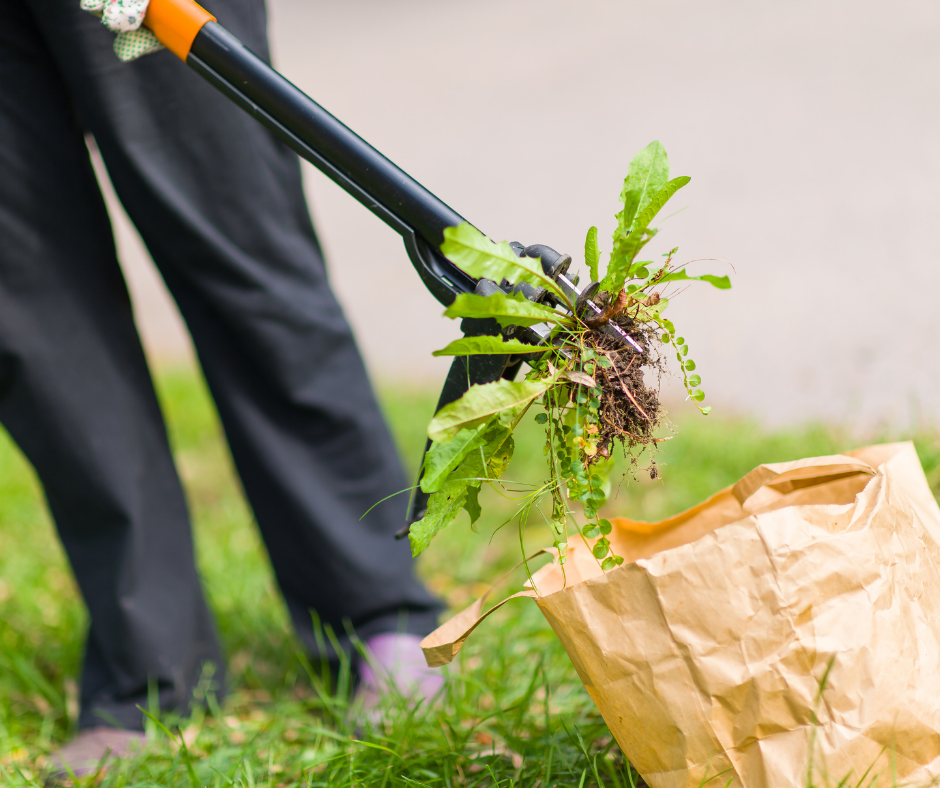
Maintaining a weed-free lawn is a common goal for homeowners looking to enhance the beauty and health of their outdoor space.
In this guide, we’ll explore practical tips and methods to effectively deal with weeds, ensuring your lawn remains green, healthy, and free from unwanted intruders.
Understanding Common Weeds
Insights to Help You Begin:
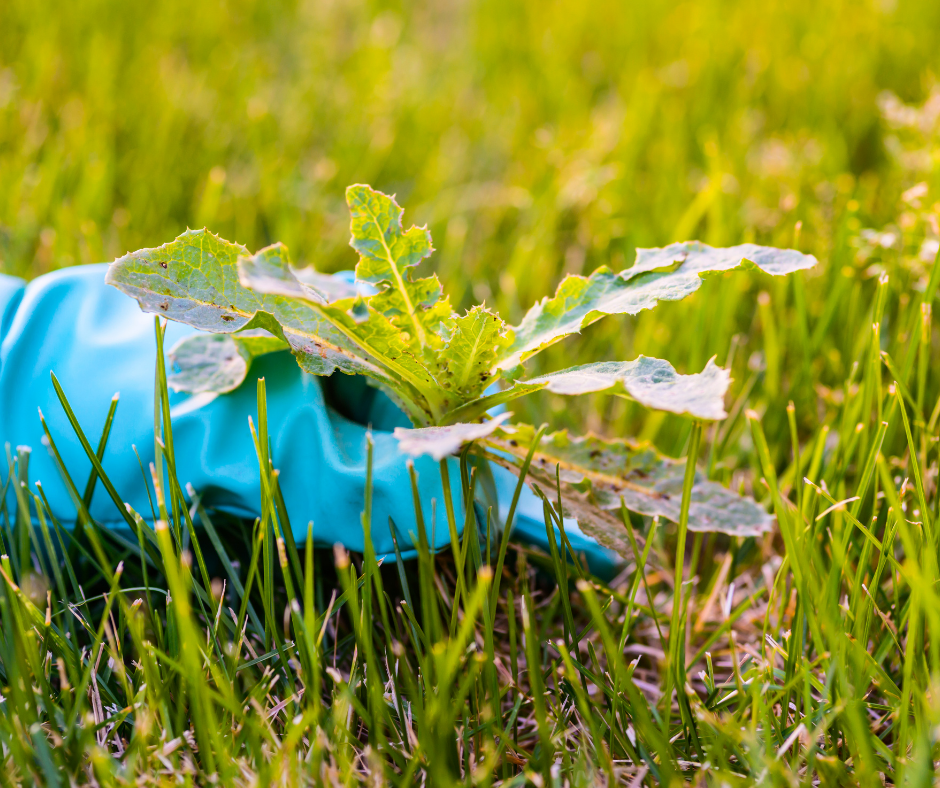
Start by identifying the intruders causing trouble in your lawn, such as dandelions, crabgrass, or clover.
It’s important to study their habits, understanding their growth patterns, preferred environments, and timing of appearance. This knowledge can guide your weed-fighting strategies effectively.
For example, learning that crabgrass thrives in compacted soil and warm weather might lead you to aerate your soil and apply targeted weed control before it takes hold.
When dealing with dandelions, removing their yellow heads before they go to seed can prevent future invasions.
The more you understand about the weeds in your lawn, the better prepared you’ll be to deal with them. Familiarise yourself with your lawn’s unwanted guests to keep them in check effectively.
Want a lawn that stands out? Let Done Right Lawn Mowing Services make it happen. Contact us now!
Prevention Strategies
To maintain a weed-free lawn, it’s crucial to adopt effective strategies. Start by implementing good practices such as regular mowing at the appropriate height to encourage a dense turf that naturally suppresses weeds. Aim to keep grass at about 2.5 to 3 inches tall, which helps shade the soil and prevents weed seeds from germinating.
When watering your lawn, opt for deep, infrequent sessions rather than frequent shallow watering to promote deep root growth and resilience against weeds. Consider using a soaker hose or drip irrigation system to deliver water directly to the roots without promoting weed growth.
Choose a high-quality fertiliser suitable for your grass type and apply it according to manufacturer instructions. Look for organic options like compost or natural fertilisers, or balanced chemical fertilisers with nitrogen, phosphorus, and potassium.
Regularly inspect your lawn for any signs of weed growth and promptly remove weeds by hand or use targeted herbicides as needed, ensuring to follow label instructions for safe and effective use.
Manual Weed Removal
To maintain a weed-free lawn, start by implementing good practices such as regular mowing at the appropriate height to encourage a dense turf that naturally suppresses weeds. Aim to keep grass at about 2.5 to 3 inches tall, which helps shade the soil and prevents weed seeds from germinating.
When watering your lawn, go for deep, infrequent sessions rather than frequent shallow watering to promote deep root growth and resilience against weeds. Consider using a soaker hose or drip irrigation system to deliver water directly to the roots without promoting weed growth.
Proper fertilization is essential; choose a high-quality fertiliser suitable for your grass type and apply it according to manufacturer instructions. Look for organic options like compost or natural fertilisers, or balanced chemical fertilisers with nitrogen, phosphorus, and potassium.
Regularly inspect your lawn for any signs of weed growth and promptly remove weeds by hand or use targeted herbicides as needed, ensuring to follow label instructions for safe and effective use.
Chemical Weed Control
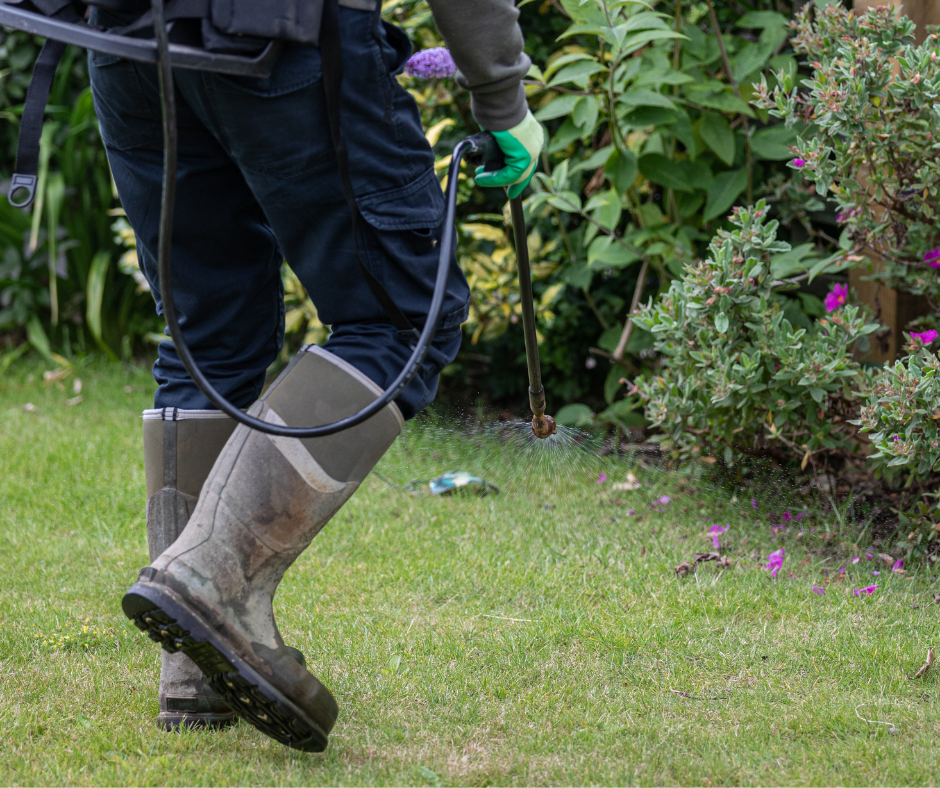
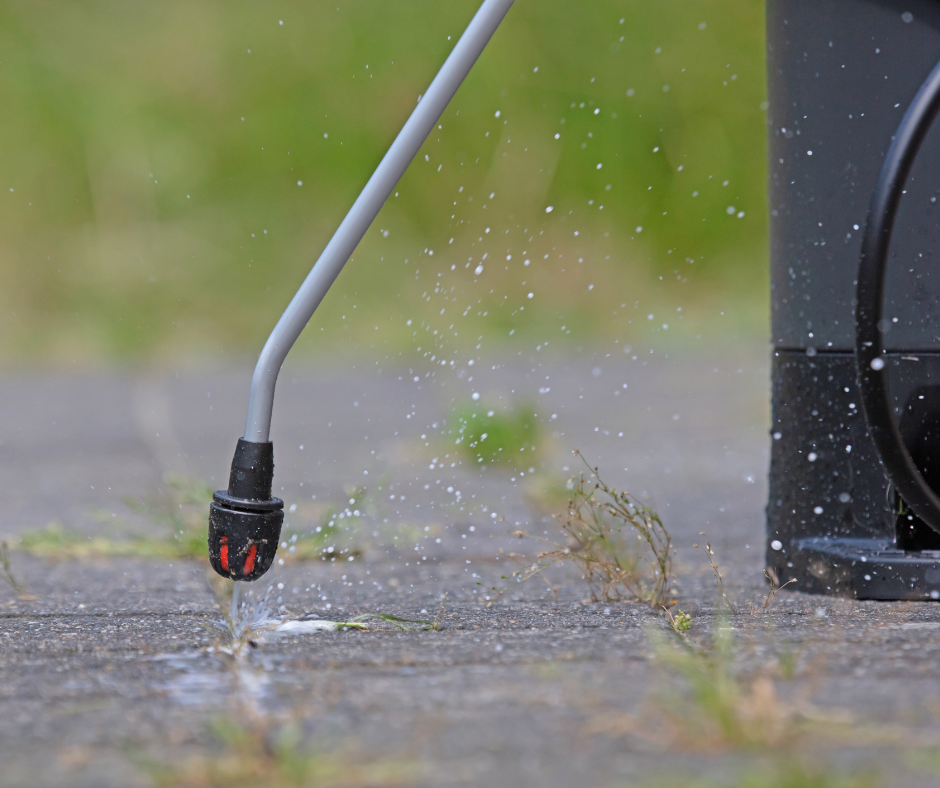
When manual removal isn’t cutting it, chemical herbicides can offer an efficient solution for dealing with persistent weeds.
- Choose Wisely: Opt for herbicides that are specifically designed to target the types of weeds you’re dealing with. This helps minimise the impact on desirable vegetation while still effectively getting rid of the problem plants.
- Follow Instructions: Always follow strictly to the safety guidelines and usage instructions provided on the product label. This helps mitigate any potential adverse effects on the environment and human health.
- Apply Carefully: When using chemical weed control methods, apply them carefully to ensure effective eradication of weeds while minimising harm to the surrounding environment.
Natural Weed Control
Natural weed control methods offer environmentally friendly alternatives to chemical herbicides, utilising natural ingredients and cultural practices to suppress weed growth effectively.
- Mulching: Embrace mulching as a natural weed control strategy. Mulch helps smother weeds by blocking sunlight and retaining moisture in the soil, inhibiting weed seed germination and growth.
- Solarisation: Consider solarisation as another natural weed control method. This technique involves covering the soil with plastic to harness solar heat, effectively killing weed seeds and seedlings without the need for chemicals.
- Vinegar-Based Herbicides: Explore vinegar-based herbicides as a non-toxic option for spot-treating weeds. The acetic acid in vinegar disrupts weed cell membranes upon contact, providing an effective yet environmentally friendly weed control solution.
In Conclusion
Maintaining a weed-free lawn is about knowing your weeds, preventing their growth, and using the right methods to keep them under control. Learn about common weeds that invade lawns and use strategies to stop them before they take hold.
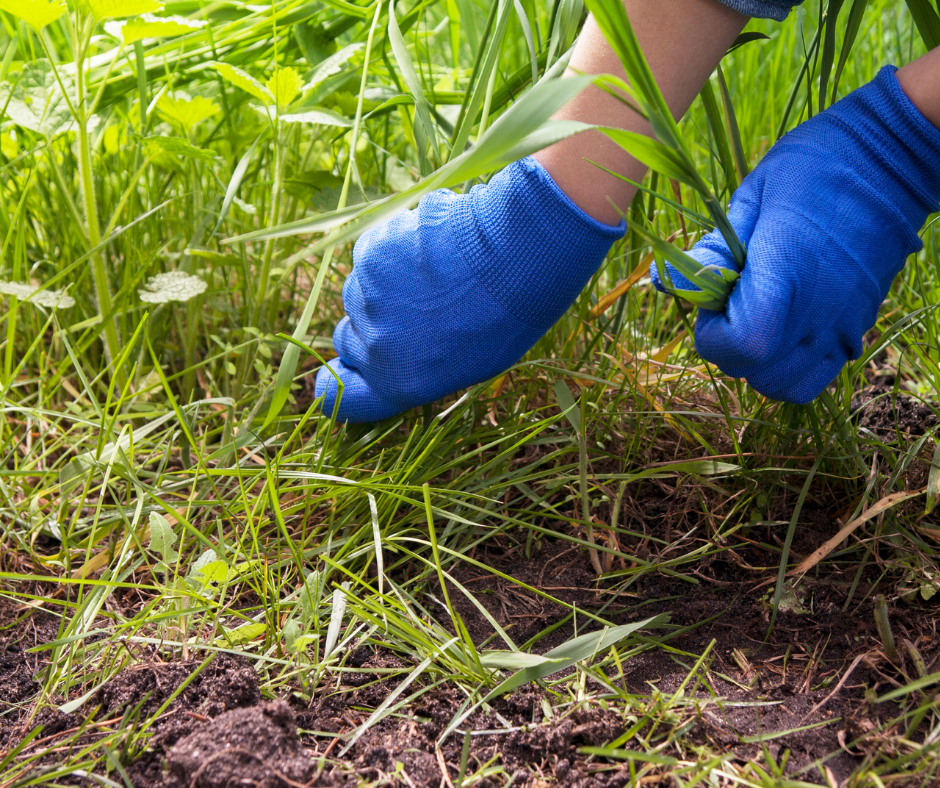
Pulling weeds by hand is a natural and eco-friendly method. For tougher weeds, consider using chemical herbicides carefully.
You can also try natural methods like using organic ingredients and practices to keep your lawn healthy without harming the environment. These approaches together will help you achieve a beautiful lawn free from weeds.