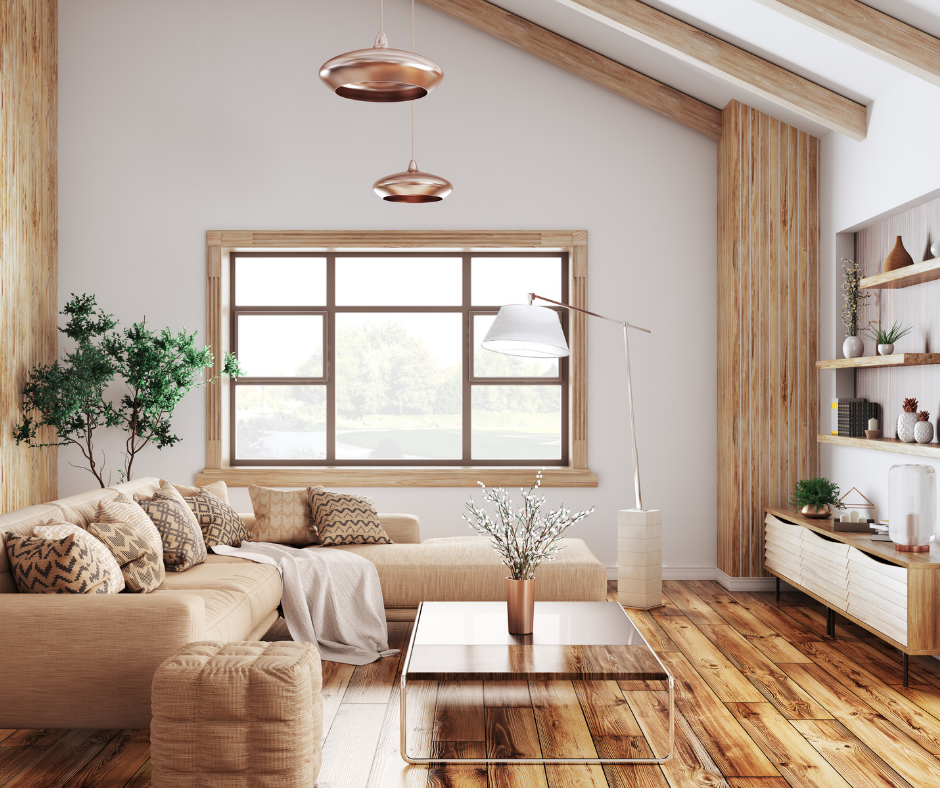
Protecting your timber floors from furniture is essential to maintain their beauty and longevity.
As a trusted flooring expert, we understand the importance of protecting your investment. In this guide, we’ll explore simple and effective ways to prevent damage to your timber floors caused by furniture.
Assessing the Risks
Pay attention to any sharp corners, heavy items, or materials that could scratch or dent the surface of your floors. For instance, dragging a heavy chair without protection can leave marks on your beautiful timber floors.
Check the feet of your furniture closely. Metal or plastic feet, if not properly cushioned, can cause scratches or gouges when moved across the floor.
Even harmless furniture pads can accumulate dirt and grit over time, leading to abrasions if not regularly cleaned or replaced. Consider the weight distribution of your furniture, especially for larger pieces like sofas or bookshelves.
Concentrated pressure from heavy items can cause indentations or even structural damage to the timber over time. Placing felt pads or furniture glides beneath the legs can help distribute the weight more evenly and minimise the risk of damage.
Invest in high-quality furniture pads or glides made specifically for hardwood floors. These protective accessories come in various materials and sizes to suit different furniture types and floor finishes. Regularly inspect and maintain your furniture pads to ensure they remain effective in guarding against scratches and dents. Replace worn-out pads promptly to prevent damage caused by exposed metal or plastic feet.
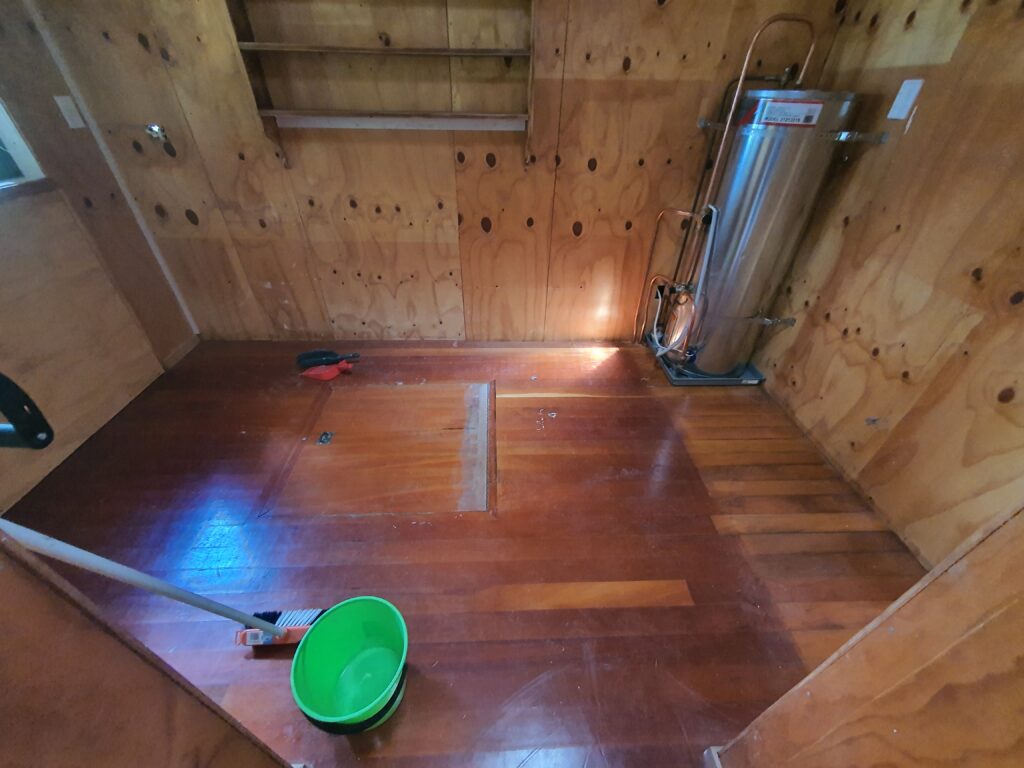
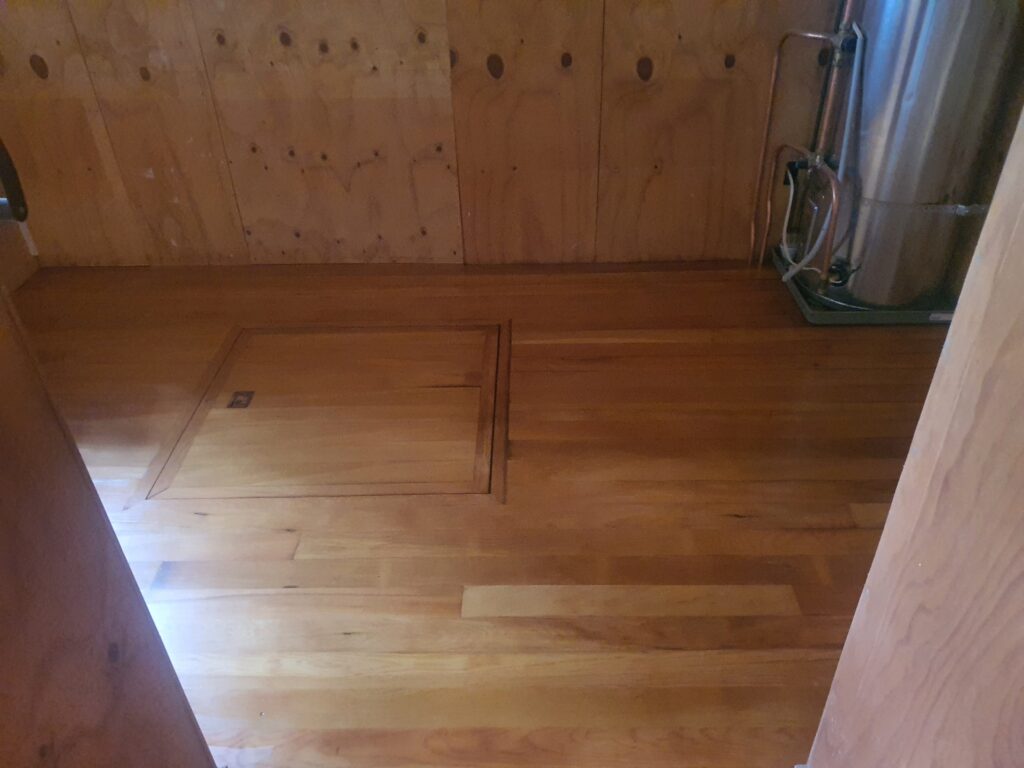
Choosing the Right Furniture
When choosing furniture for your home, go for pieces equipped with protective pads or felt glides on the legs. These additions serve as a buffer between the furniture and your timber floors, reducing the risk of scratches or marks.
If your existing furniture lacks this feature, you can easily retrofit them with protective pads or felt glides to prevent potential damage.
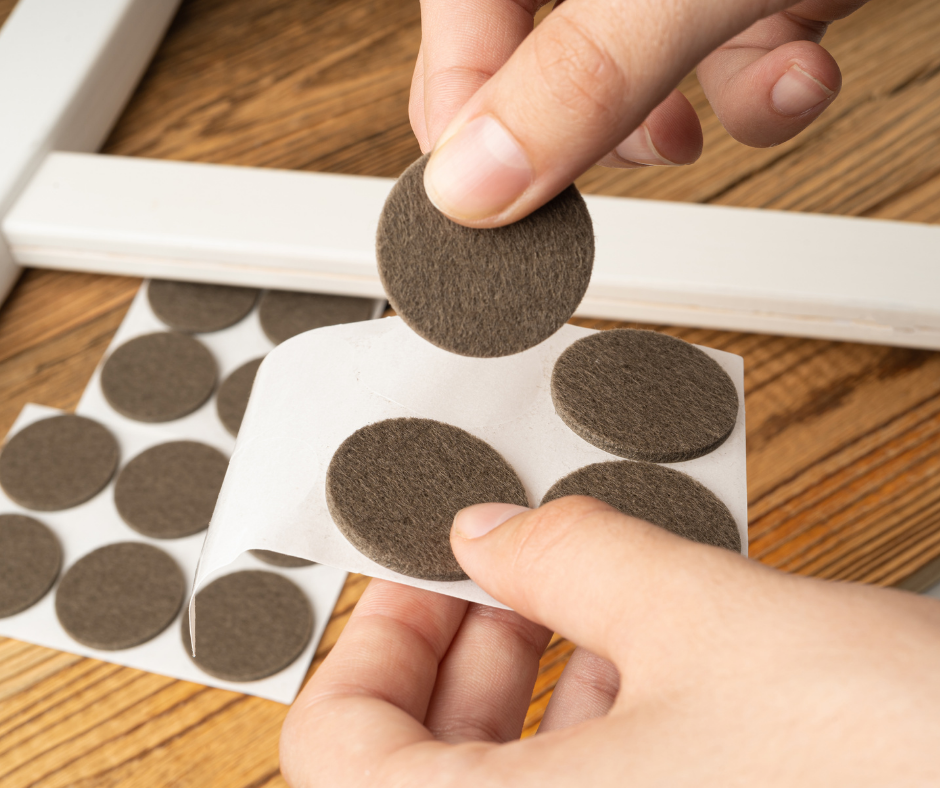
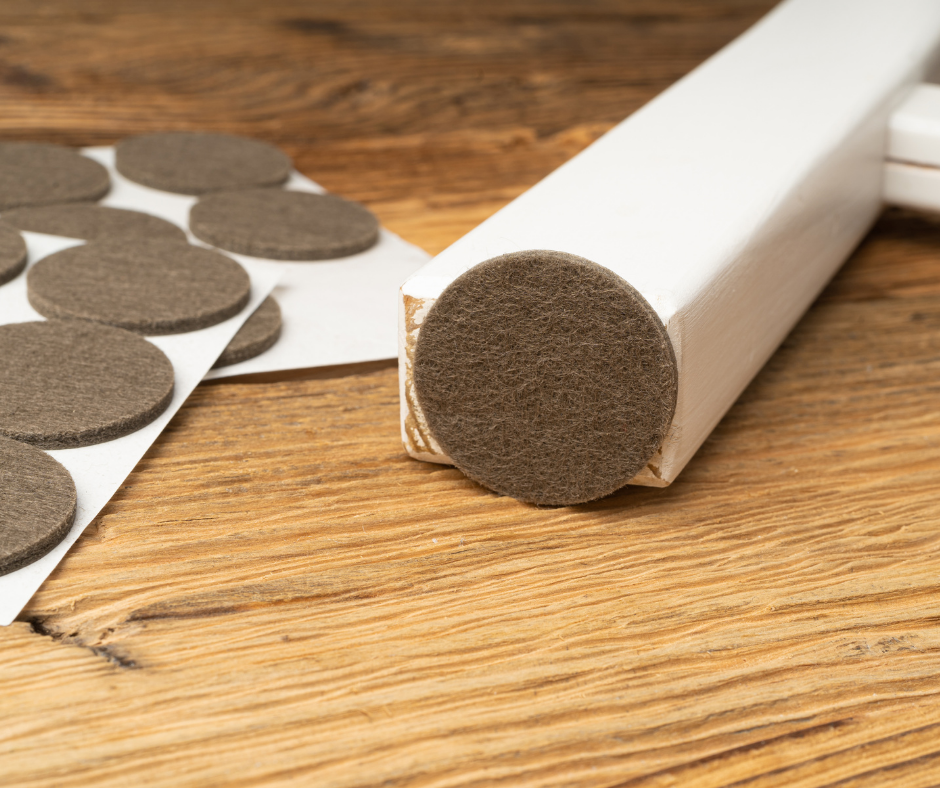
Protective pads and felt glides are readily available at hardware stores and come in various shapes and sizes to fit different furniture legs. They are typically made of soft materials like felt or rubber, designed to provide cushioning and prevent friction against the floor surface.
Installation is straightforward and requires minimal effort. Simply place the pads or glides to the bottom of the furniture legs using adhesive backing or screws, depending on the type of accessory.
Using Furniture Pads
To shield your timber floors from potential damage caused by heavy furniture, consider using furniture pads or felt glides beneath the legs of chairs, tables, and other substantial items.
When selecting furniture pads or felt glides, go for products made from soft materials like felt or rubber, as they provide optimal cushioning and minimise friction against the floor surface. Look for options specifically designed for timber floors to ensure compatibility and maximum protection.
Brands like D-Line, Furniture Fix, and Protector offer a range of pads and glides suitable for different types of furniture legs. These products are commonly available at stores such as Mitre 10, Bunnings Warehouse, and The Warehouse, as well as online platforms like Amazon, and Trade Me.
When installing furniture pads, ensure proper alignment and secure attachment to the bottom of each leg using adhesive backing or screws, depending on the product design. It’s essential to cover all contact points between the furniture and the floor to create a uniform protective barrier.
Keep in mind that it’s not just large furniture pieces that can potentially damage your timber floors. Items like chairs, sofas, and even bed frames can also cause harm if not adequately protected. Consider adding pads or glides to the legs of these items as well, especially if you have timber flooring throughout your home.
Lifting and Moving Furniture
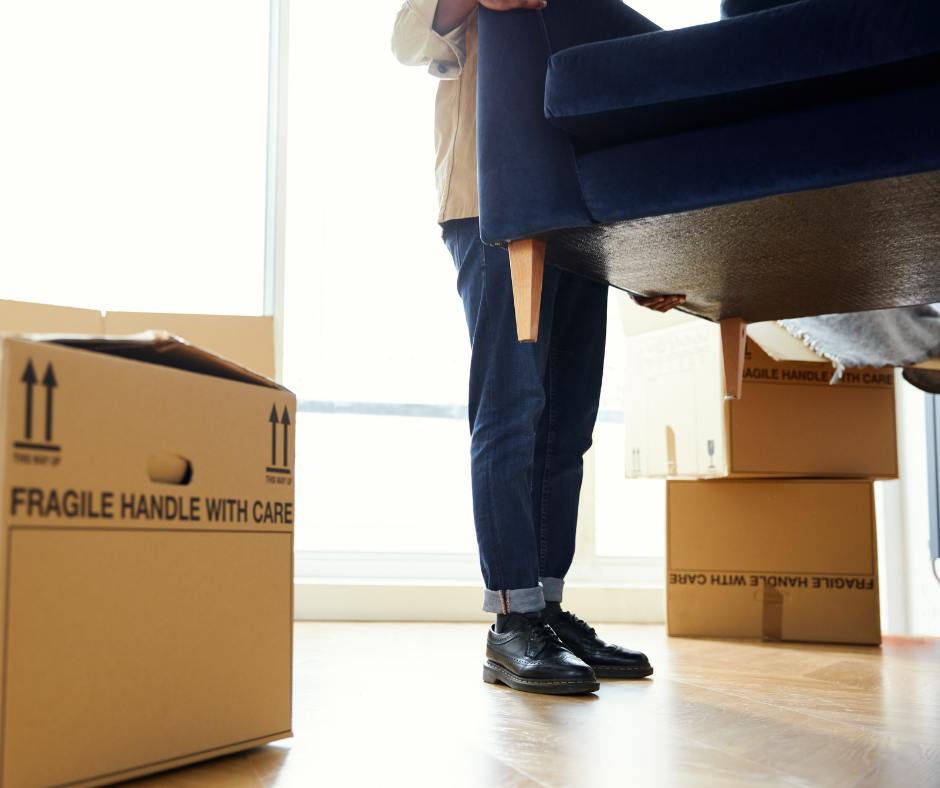
Preventing scratches or gouges on your timber floors while moving furniture, it’s important to lift each piece carefully instead of dragging it across the floor.
Even small debris or particles can cause scratches when furniture is slid, so lifting helps avoid this risk. By taking the time to lift rather than drag, you minimise the potential for damage and maintain the pristine condition of your timber surface.
For heavier items like sofas or cabinets, consider using furniture sliders or a dolly to facilitate smoother movement. Furniture sliders are small, often plastic or felt pads that attach to the bottom of furniture legs, reducing friction against the floor.
Similarly, dollies are wheeled platforms that allow you to move heavy items with minimal effort and without directly contacting the floor. These tools not only make it easier to maneuver heavy furniture but also help protect your timber floors from scratches and dents caused by excessive weight or pressure.
Regular Maintenance
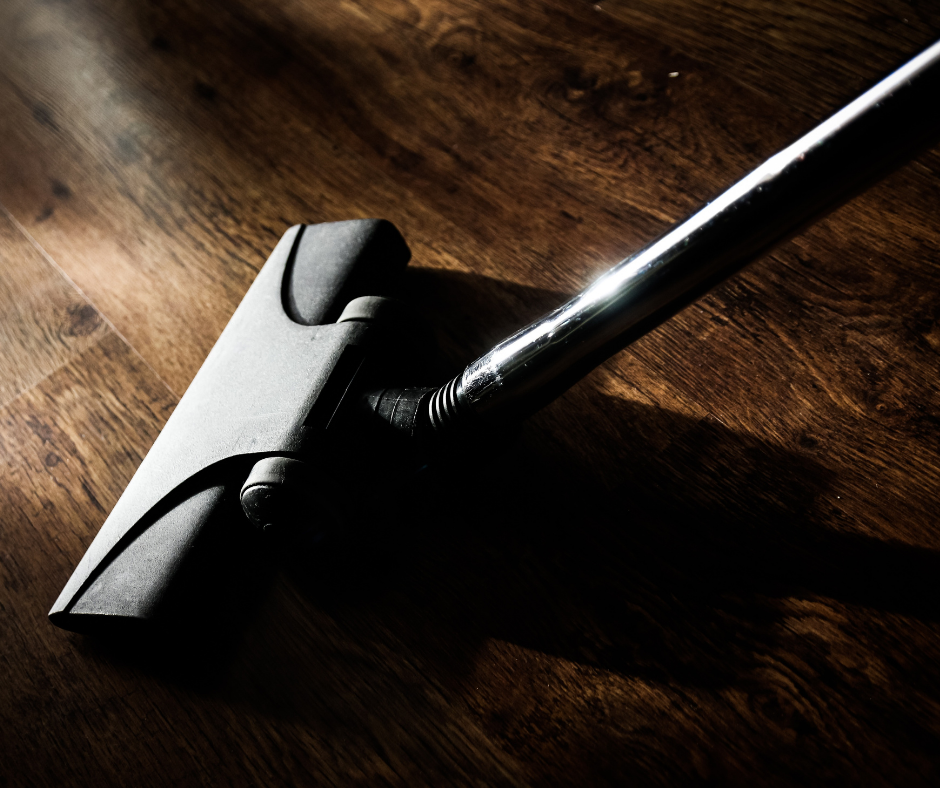
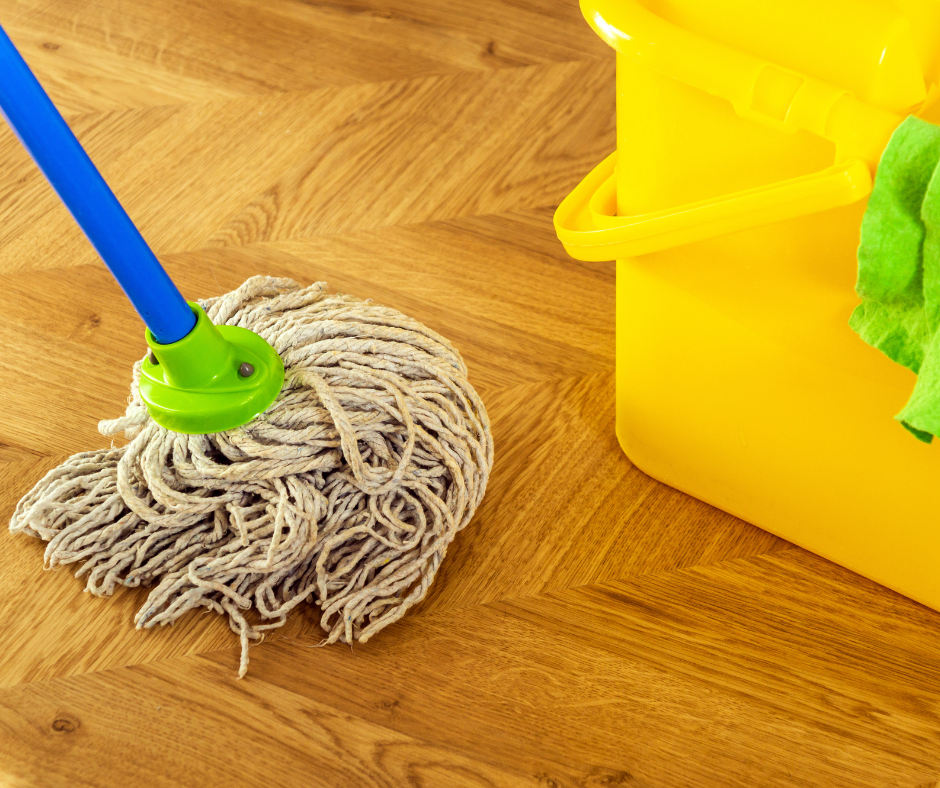
A wring mop is an excellent tool for this task, as it allows you to control the amount of moisture on the floor, minimising the risk of water damage. A mixture of warm water and methylated spirits can be an effective option for cleaning timber surfaces, as it helps to dissolve dirt and grime without leaving behind residue or streaks.
Over time, these protective accessories may become worn or damaged, reducing their effectiveness in protecting your floors against furniture-related damage. If you notice any signs of deterioration, such as flattened or torn pads, it’s essential to replace them promptly to maintain optimal floor protection.
In Conclusion
Protecting your timber floors from furniture damage is essential to maintain their beauty and longevity. Assessing potential risks, choosing the right furniture, and utilising protective measures such as furniture pads and felt glides, you can prevent scratches, dents, and other forms of damage.
Additionally, practicing proper lifting and moving techniques and conducting regular maintenance checks will help ensure your floors remain in good condition.
Remember, investing time and effort in protecting your timber floors now will pay off in the long run, preserving the value and look of your home for years to come.