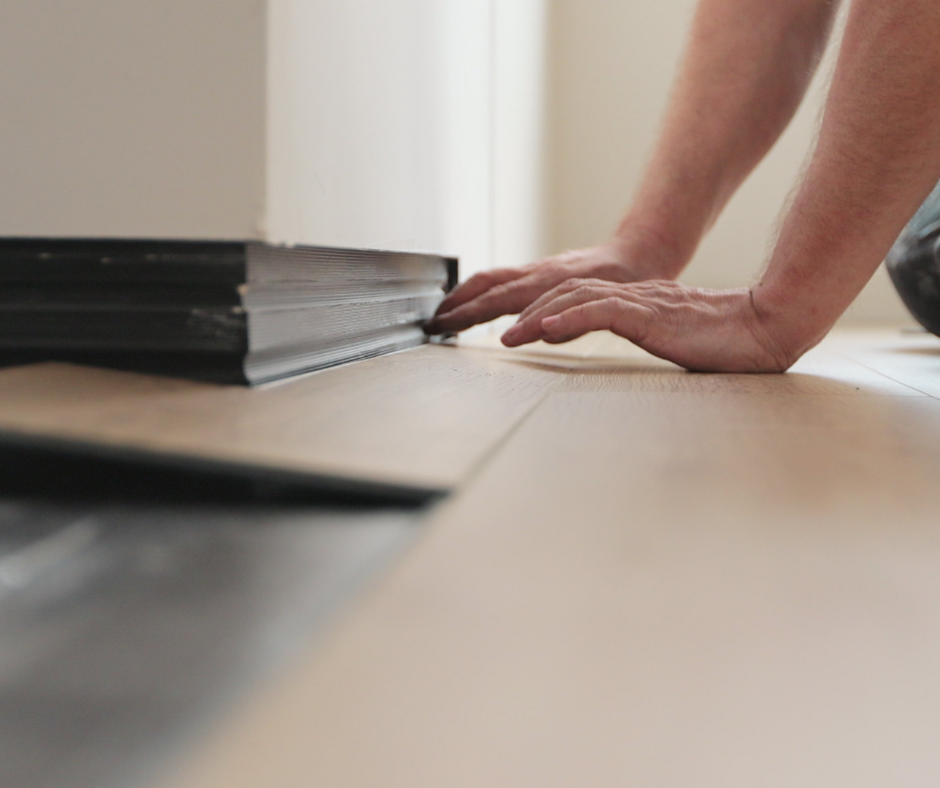
When it comes to renovating your floors, you may wonder if it’s possible to install new flooring directly over your existing floors. In this guide, we’ll explore the types of flooring that can be laid over existing floors, providing insights and recommendations from our Done Right Flooring professionals. Whether you’re looking to refresh your space with minimal hassle or seeking cost-effective renovation options, we’ve got you covered.
Flooring Overlays
Let’s start by talking about flooring overlays. If you want to give your floors a fresh new look without the hassle of tearing out the old ones. That’s exactly what flooring overlays, or floating floors, are all about!
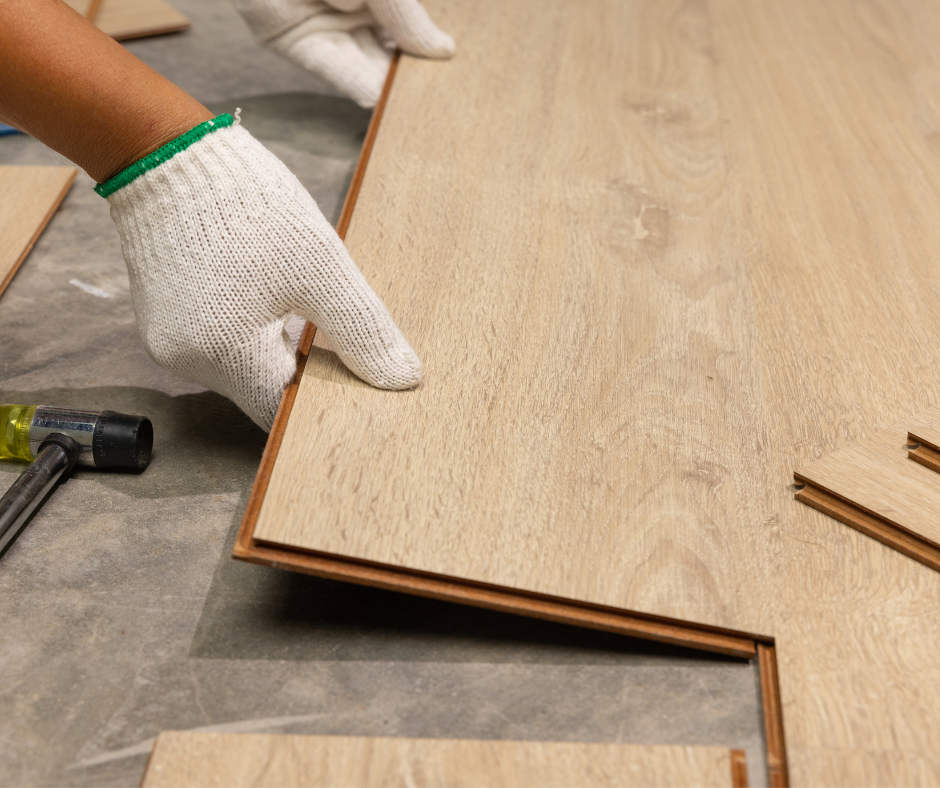
So, what are flooring overlays? Well, they’re essentially a type of flooring that’s designed to be installed right on top of your existing floors. No need to rip up the old floor or spend hours prepping the subfloor. Choosing overlays, you can simply lay the new flooring over the old one, saving you time, effort, and mess.
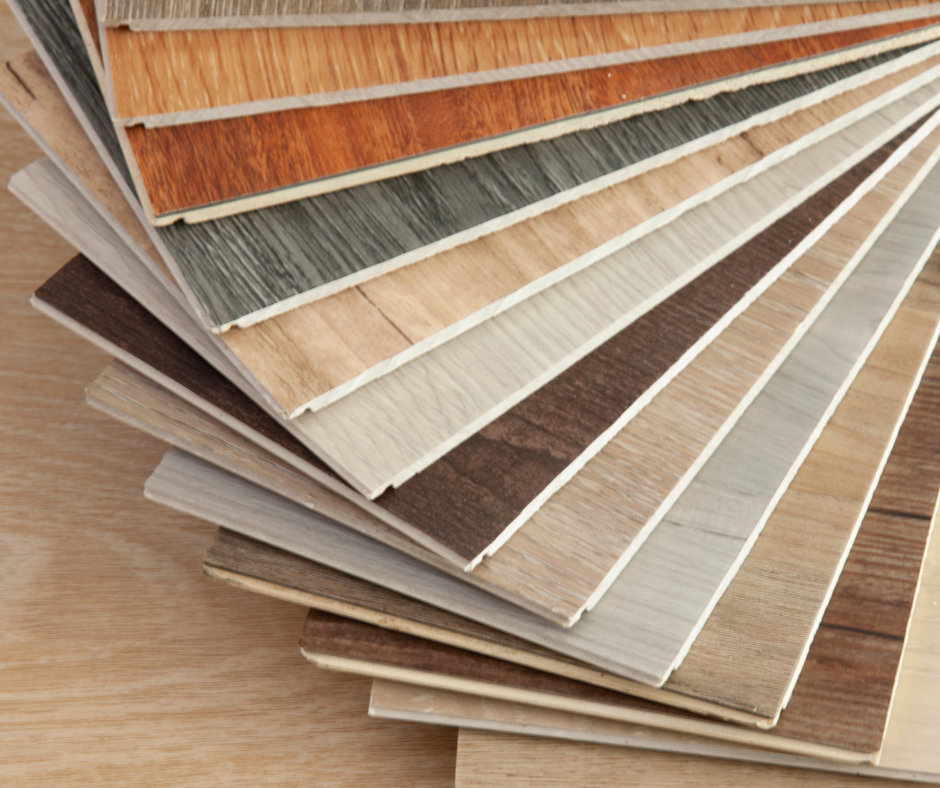
These overlays come in various materials like engineered hardwood, laminate, vinyl, and even carpet tiles. They’re like a makeover for your floors, giving them a fresh, updated look without the stress of a full-blown renovation.
And the best part? Since overlays are installed without glue or nails, they’re easy to remove if you ever want to change up your floors again. It’s like giving your home a quick style refresh whenever you feel like it!
Types of Flooring
Now that we understand the concept of flooring overlays, let’s get into the types of flooring that work best for this installation method. There are several options to choose from, each with its own advantages and considerations.
- Engineered Hardwood: Known for its durability and versatility, is a popular choice for overlays. This provides the appearance of solid hardwood at a more affordable price. Additionally, engineered hardwood overlays are easy to install and can be used in a variety of settings, from living rooms to bedrooms.
- Laminate Flooring: Laminate flooring is another excellent option for overlays. It’s affordable, low-maintenance, and available in a wide range of styles and colors. Laminate overlays are known for their durability and resistance to scratches. Which makes them ideal for high-traffic areas like kitchens and hallways.
- Vinyl: Vinyl flooring has gained popularity in recent years, thanks to its realistic wood and stone looks, as well as its waterproof properties. Vinyl overlays can be installed directly over existing floors, making them a practical choice for bathrooms and laundry rooms.
- Carpet Tiles: Areas where comfort and warmth are desired, carpet tiles are a great option for overlays. Carpet tiles come in a variety of colors and patterns, allowing for endless design possibilities. They’re easy to install and replace. These make them a perfect choice for bedrooms, playrooms, and home offices.
Ready for a flooring upgrade? Get your free quote today!
What to Consider for Overlay Installation
There are several important aspects to take into account to guarantee a smooth and successful process. Let’s look at these considerations in detail:
- Condition of the Existing Floor: Before proceeding with overlay installation, it’s important to examine the condition of the existing floor. Ensure that the surface is clean, level, and free of any damage or imperfections that could affect the overlay’s appearance and performance. Addressing any issues with the existing floor beforehand will help prevent problems during the installation process.
- Compatibility: Different types of flooring overlays may have specific requirements and compatibility considerations. For example, certain overlay materials, like epoxy coatings, may not adhere well to surfaces with existing oil-based finishes unless properly sanded and primed. To ensure the best outcome, consulting a flooring professional about the compatibility of your chosen overlay material with the existing floor is recommended.
- Height Differences: Overlay installation can result in height differences between rooms or nearby areas, especially if different flooring materials are being used. It’s essential to consider these height variations and plan accordingly to ensure smooth transitions between spaces. Transition strips or moldings may be necessary to create a seamless transition between the overlay and existing flooring, particularly in doorways or between rooms with different flooring materials.
- Subfloor Moisture Levels: Moisture levels in the subfloor can impact the success of overlay installation, particularly for materials like hardwood or laminate. Excessive moisture in the subfloor can lead to warping, buckling, or adhesive failure. Before installing the overlay, it’s essential to test the moisture levels of the subfloor and address any issues to prevent moisture-related problems.
Preparation and Installation Tips
Proper preparation lays the foundation for a successful overlay installation. Let’s take a look at some valuable tips and techniques to ensure your project goes smoothly:
- Thorough Cleaning: It’s important to thoroughly clean the existing floors to remove any dirt, dust, or debris. A clean surface will ensure better adhesion and a smoother finish for the overlay. Use a vacuum, broom, or mop to remove any surface contaminants, and consider using a mild cleaner to remove stubborn stains or residues.
- Patching Imperfections: Imperfections, such as cracks, chips, or uneven areas. Patch any imperfections using an appropriate filler or patching compound, and allow it to dry completely before proceeding with the overlay installation. Smooth out any patched areas to ensure a level surface for the overlay.
- Moisture Issues: Moisture can pose a significant risk to overlay installation, particularly for materials like hardwood or laminate. Test the moisture levels of the existing floors and subfloor using a moisture meter. If moisture levels are elevated, address the underlying cause, such as improving ventilation or installing a moisture barrier.
- Choosing the Right Adhesive: Selecting the appropriate adhesive is an important step for ensuring a secure bond between the overlay and the existing floors. Consult with your flooring manufacturer or supplier to determine the best adhesive for your specific overlay material and existing floor type. Follow the manufacturer’s instructions for proper application and curing times.
- Proper Installation Techniques: When installing the overlay, follow recommended installation techniques to achieve the best results. Pay attention to factors such as adhesive coverage, seam alignment, and expansion gaps, as these can impact the overall quality and longevity of the installation. Take care to avoid trapping air bubbles or wrinkles under the overlay, and use a roller to ensure good adhesion and a smooth finish.
Curious about overlay flooring? Get in touch for a free quote!
Benefits of Overlay Installation
- Cost Savings: Choosing this solution is often more cost-effective than going through and completely replacing existing floors. Installing the overlay directly over the existing floors, you save on demolition, disposal, and labor costs associated with traditional flooring replacement. This makes overlay installation an attractive option for homeowners looking to update their floors on a budget.
- Time Efficiency: Overlay usually demands less time and effort than traditional flooring replacement. It needs minimal subfloor preparation and no demolition, so installation is faster. You can enjoy your new floors sooner, making it perfect for homeowners who want minimal disruption during renovation.
- Reduced Disruption: Less chaos than traditional flooring replacement, reducing disruption to your home. With no need for extensive demolition or removal of existing flooring, you can use your space during installation with minimal inconvenience. This suits busy households or commercial spaces where downtime must be minimised.
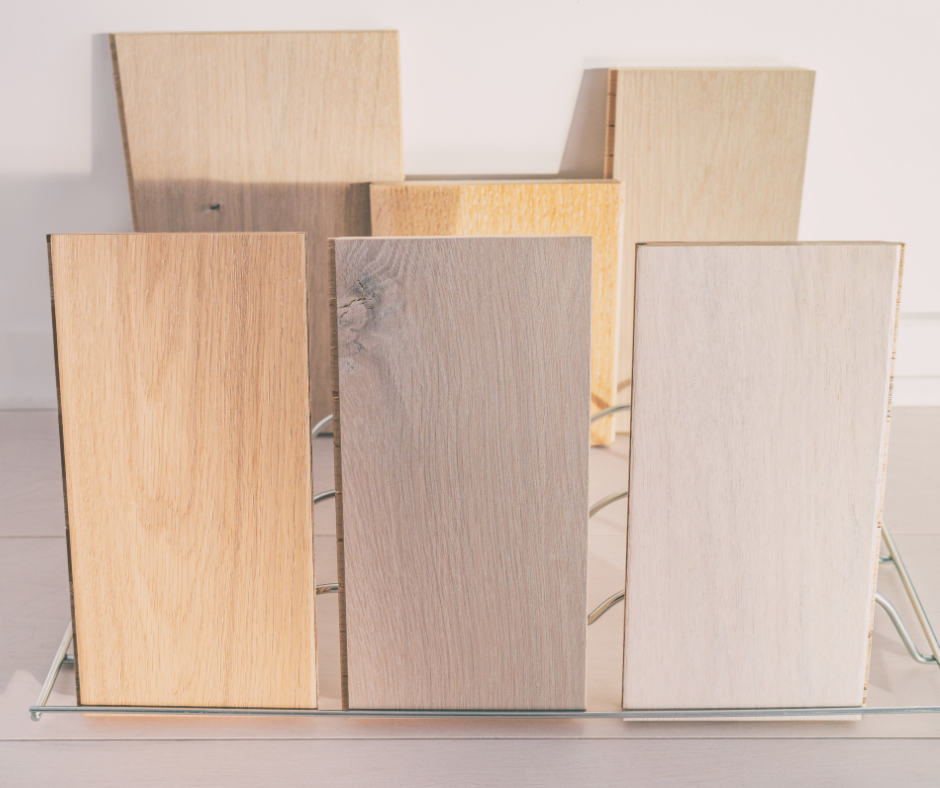
- Versatility: It provides versatility in design and flooring materials. Whether you like hardwood, laminate, vinyl, or tile, there’s an overlay material for you. Overlay installation also enables easy customisation with various patterns, colors, and textures. This offers flexibility to craft a unique and personalised space.
- Environmentally Friendly: You can decrease the environmental impact of your flooring project. Overlay installation minimises waste and resource consumption compared to traditional replacement. It’s a sustainable choice for eco-conscious homeowners. Also, many overlay materials use recycled or sustainable materials, further reducing their environmental footprint.
Transform your space with ease Contact us now for a free quote!
Conclusion
Overlay installation provides a versatile and efficient way to update your floors without the hassle of extensive demolition or subfloor preparation.
By understanding the types of flooring suitable for overlays and following proper installation techniques, you can achieve beautiful, long-lasting results with your renovation project. With the expertise of our Done Right Flooring team, you can confidently enhance your space with stylish and functional new floors.